
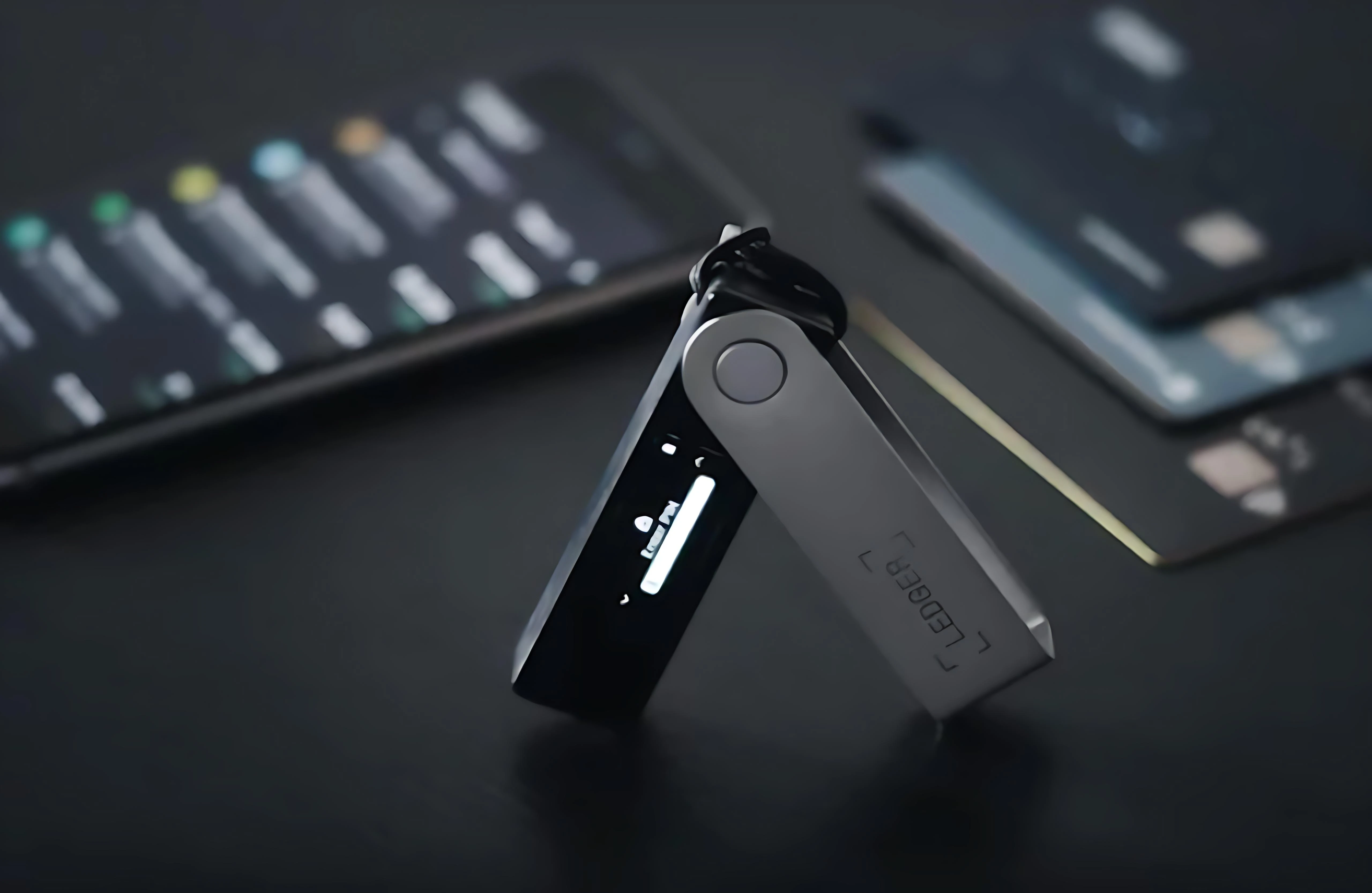
Intro: Recent phishing links frame around "price adjustment," "duty," or "claim giveaway" — tied to hardware-device orders, luring users into submitting name, phone, delivery address, even small payment. Here's a breakdown of common impersonation points and verification principles — confirm domain and source before clicking to avoid careless leakage.
Background
Some phishing links arrive via logistics SMS, email, or chat, carrying real order numbers and names for credibility. Pages often mimic courier or store interfaces, asking for ID, address, or a small "duty/top-up" payment.
Other scripts claim "claim giveaway / warranty extension requires registration," using the official logo and similar colours, but the redirect domain doesn't match, and payment goes through third-party QR codes or short links.
Common impersonation points
1) Top-up / duty: "customs duty" / "storage fee" urgency, typically 5-50 CNY; payment to personal account or QR code — inconsistent with official payment channels.
2) COD / address-change notice: SMS claims package returned, need to confirm address or pay COD to release; link to imposter site, info used for later social engineering.
3) Rebate / giveaway registration: "event is for order users only," asking for device serial or recovery phrase for identity verification — official events never collect sensitive verification info.
4) Support urgency: fake support DM offering to "help process," providing "internal links," with "10 minutes to expiry" to skip verification.
5) Hybrid redirects: button → short link → third-party form, multi-step path — official entry is a clear domain with HTTPS certificate, no multi-level redirect.
Common Q&A
Q: Is an SMS with the correct order number definitely real?
A: Not necessarily — leaked order numbers get abused. Verify domain and payee.
Q: Is a few-dollar payment low-risk?
A: Small-amount verification is often used to validate a card/account, with follow-up charges or identity harvesting.
Q: Does an official logo / colour scheme = trustworthy?
A: Logos and colours are easily copied. The key is whether the domain is official and whether the recipient entity is corporate.
Q: If I only fill address (not recovery phrase), is it safe?
A: Addresses and phone numbers can still be used for targeted social engineering or courier impersonation — still sensitive.
Principles
1) For top-up/duty/giveaway notices, verify via the official app or by typing the URL manually. Don't click instant links in SMS or chat.
2) Confirm the recipient is the official corporate entity. Treat personal QR codes or unknown accounts as high-risk. Don't enter recovery phrase, verification code, or full card info on link pages.
3) Save screenshots of suspicious SMS/emails and links. Verify via the official support channel before paying or submitting info.
Safety reminder: We will never ask for your recovery phrase, PIN, verification codes, or private keys. Anyone requesting them is attempting fraud — do not share and do not proceed.