
Needing a Ledger hardware wallet is usually not about one isolated feature. It is about keeping account viewing, device confirmation, and backup material in separate layers. Ledger is a better fit for people who are willing to follow a fixed hardware-device workflow, keep recovery phrase records offline, and reduce the confusion that can come from changing devices or app environments.
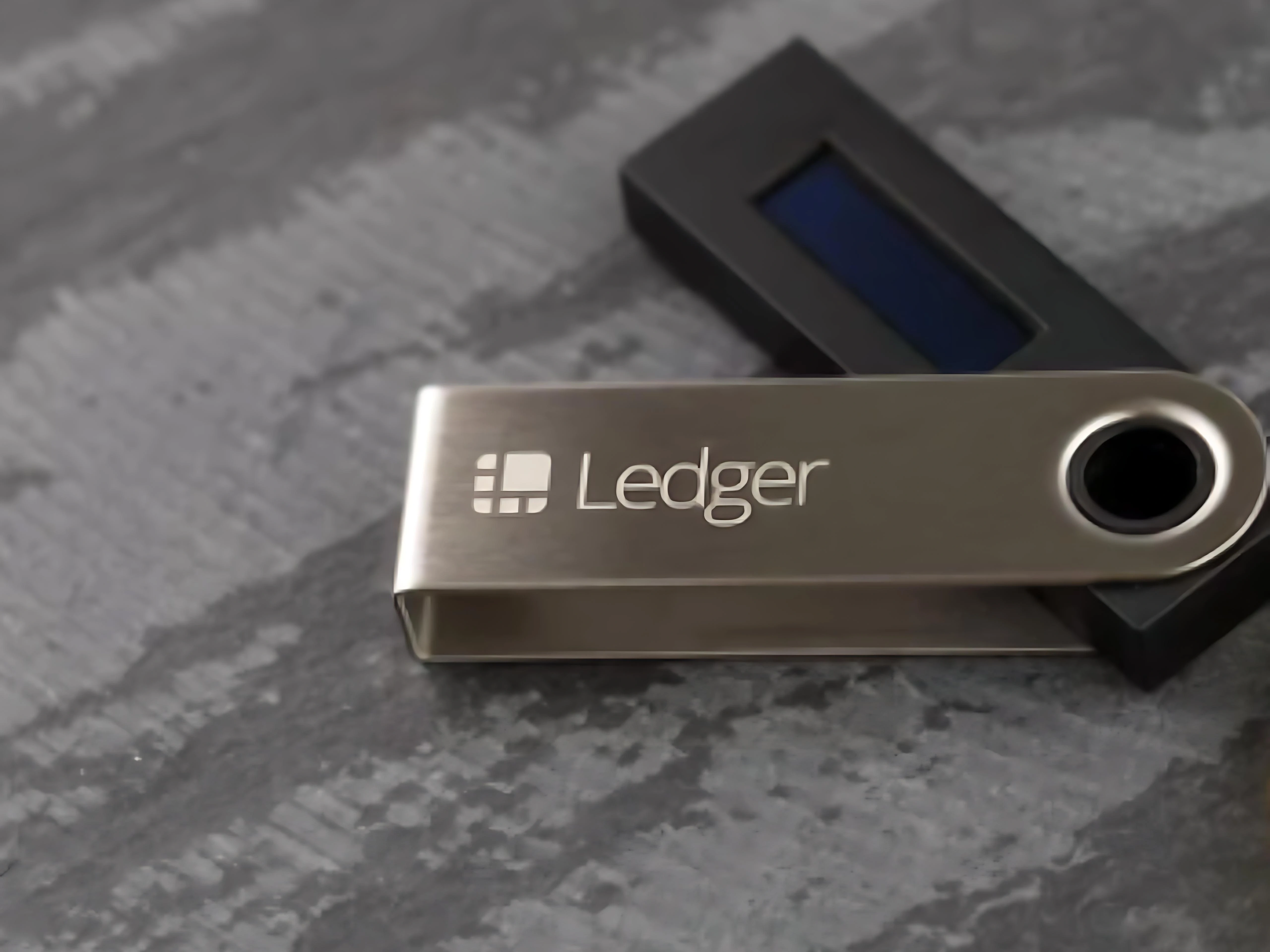
Which situations does it fit?
Ledger is useful when someone wants a stable way to review accounts, confirm important actions on a hardware device screen, and keep backup material separate from daily computer or mobile use. For the wider concept, start with Hardware Wallet vs Software Wallet and then return to this use-case checklist.
The main value is workflow separation
A hardware wallet does not remove every step. It places each step in a clearer location: the app displays information, the device screen asks for confirmation, and the recovery phrase belongs to offline backup. This separation makes it easier to know which screen to read and which record to keep.
What should not be assumed?
Do not treat Ledger as just another app or as a one-time setup that makes every later question disappear. If the recovery phrase, PIN, and device-screen roles are still unclear, review What Is Ledger Initialization before moving into daily use.
A simple readiness checklist
A practical readiness check asks four things: can you follow the device screen, keep the recovery phrase offline, distinguish app display from device confirmation, and keep a short local record? If the answer is yes, the reason to learn Ledger becomes more concrete.
After the concept is clear, the next step is not to rush through every feature. Build a personal order: entry check, setup, PIN boundary, recovery phrase backup, and later review. The recovery phrase boundary in What Is a Recovery Phrase is a useful follow-up because it keeps backup material separate from ordinary notes.
In short, Ledger is easier to understand when it is seen as a workflow with defined positions. The device confirms, the app displays, and the backup record supports recovery. Keeping those positions separate is the real reason many readers choose to learn the hardware-wallet route.