
The useful way to compare a hardware wallet with a software wallet is not to ask which one is simply better. A steadier comparison looks at where sensitive material is kept, where important steps are confirmed, how often the tool is used, and whether the user can maintain backup and device records over time.
Storage location is different
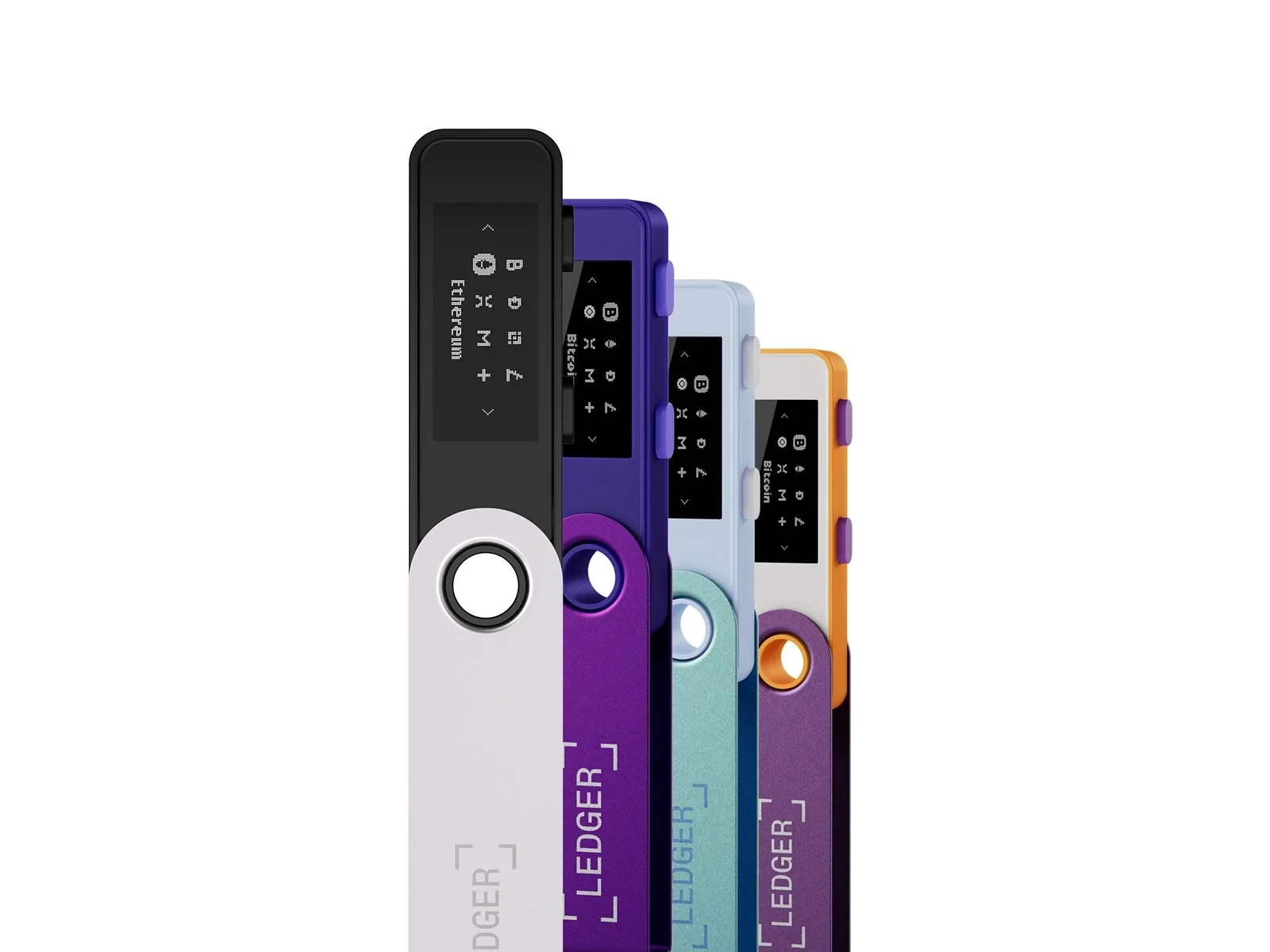
A software wallet runs inside a phone or computer environment, so opening pages and viewing account information can feel lighter. A hardware wallet places critical material inside a dedicated device and brings important confirmations back to the device screen. For background, read hardware wallet working principles.
Confirmation happens in a different place
Software wallets rely more on the current device and application page. A Ledger hardware wallet adds a device-screen confirmation layer, so the user can separate what the application displays from what the device asks them to confirm. For the device-side concept, see Ledger Secure Element principles.
Use scenarios should be judged separately
If the task is learning basic concepts or checking a small account view, a software wallet may feel convenient. If the task emphasizes device-side confirmation, long-term custody records, and offline backup discipline, the hardware-wallet workflow has clearer value. The point is not to make every action heavier, but to put confirmation and records in the right place.
Do not mix the two roles
A software wallet can be useful for display and interaction. A hardware wallet is designed to keep critical confirmation on a separate device. Before choosing a workflow, record which device is used, which application is open, and where the final screen confirmation appears. That record makes later checks easier and prevents different tools from being treated as the same thing.