
The main advantage of a Ledger hardware wallet is separation. Sensitive key material is held on the device, the connected phone or computer acts as an interface, and the device screen gives the user a local place to review what is being approved.
For the chip-level explanation, see Ledger Secure Element principles. For the signing flow in daily language, use the offline signing guide.
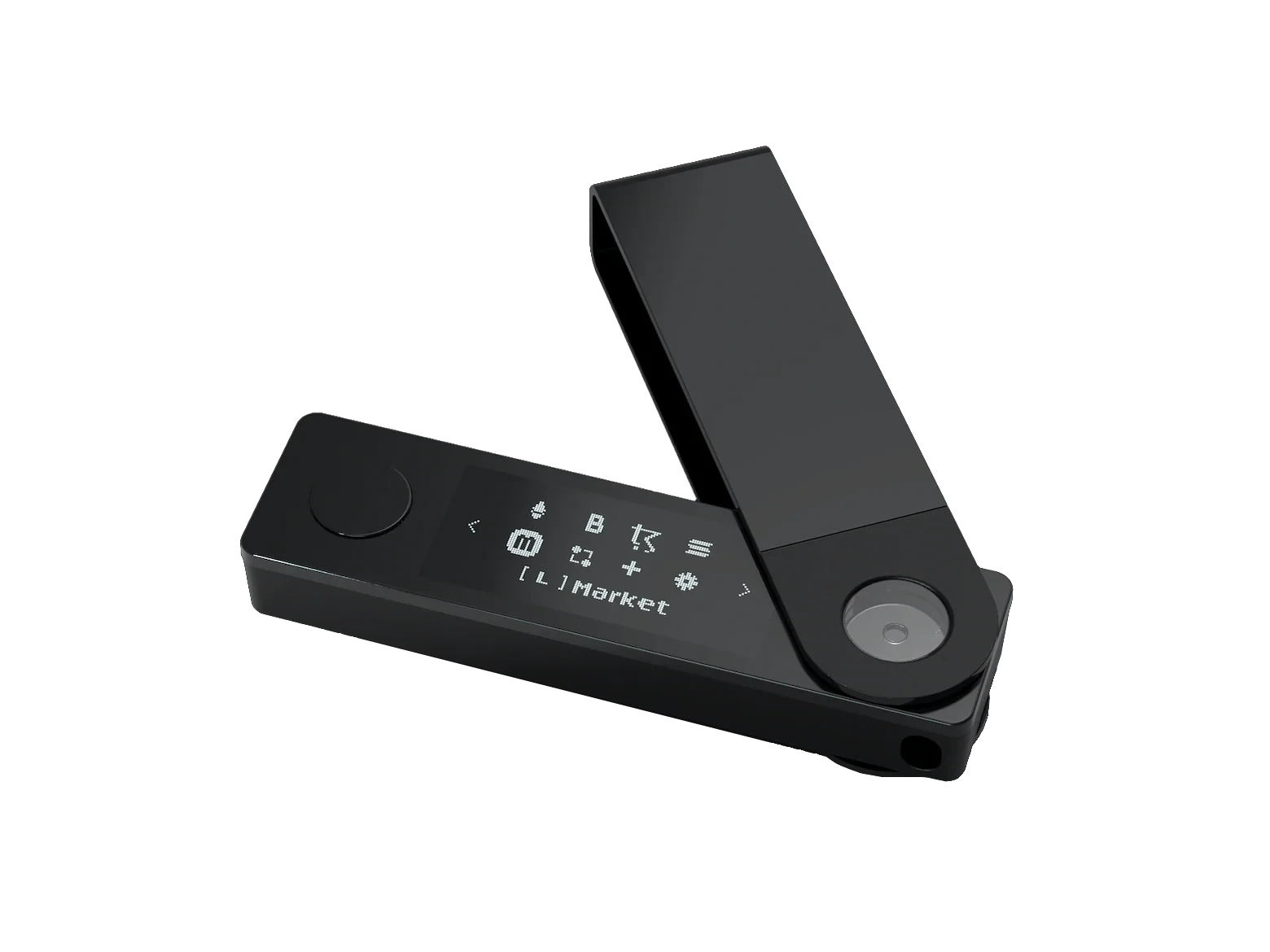
Advantage one: key material stays on the device
A Ledger device is designed so sensitive key material does not need to live on the internet-connected host. That separation is the reason the computer or phone can show an interface without becoming the place where the sensitive key is stored.
Advantage two: the screen creates a local review point
The device screen is not just a status display. It is where the user compares the prompt with the intended action. This keeps review close to the protected device instead of relying only on the phone or computer screen.
Advantage three: habits become easier to repeat
| Habit | Ledger advantage | Practical check |
|---|---|---|
| Separate app from device | The app displays; the device reviews | Read both screens before approval |
| Keep backup offline | Recovery phrase is independent of the device | Store it away from phones and cameras |
| Review setup state | Model, app, and screen prompt can be checked | Record the device state after setup |
How to compare it with software-only storage
The comparison article Hardware Wallet vs Software Wallet explains the storage-location difference. Read that next if you need a simpler category-level comparison before setup.