
Before hardware wallets became common, a "paper wallet" — keys printed onto paper — was a popular way to keep crypto offline. Both a paper wallet and a hardware wallet are forms of cold storage, so how do they actually compare? The short version: both keep keys off the internet, but a paper wallet has real weak spots that a hardware wallet was specifically designed to close. Here is what each one gets right and wrong.
Both keep keys offline — but the details differ
Start with what they share. Both approaches aim to keep your private key away from an internet-connected computer, which is the core idea of cold storage. That shared goal is why people sometimes treat them as equivalent. But the way each one creates and later uses the key is very different, and that difference is exactly where the safety gap appears. It is not about being "offline" in name; it is about the brief moments when the key is actually exposed.
Where a paper wallet falls short
A paper wallet has a few genuine weaknesses. First, generation: the key is usually created on a general-purpose computer, so if that machine is not clean, the "offline" key may be exposed the instant it is made. Second, use: to move funds later, the key typically has to be imported into software, which exposes it to a connected device all over again. Third, fragility: paper has no PIN, anyone who sees it holds the key, and a single sheet can be lost to water, fire, or simple misplacement.
What a hardware wallet gets right
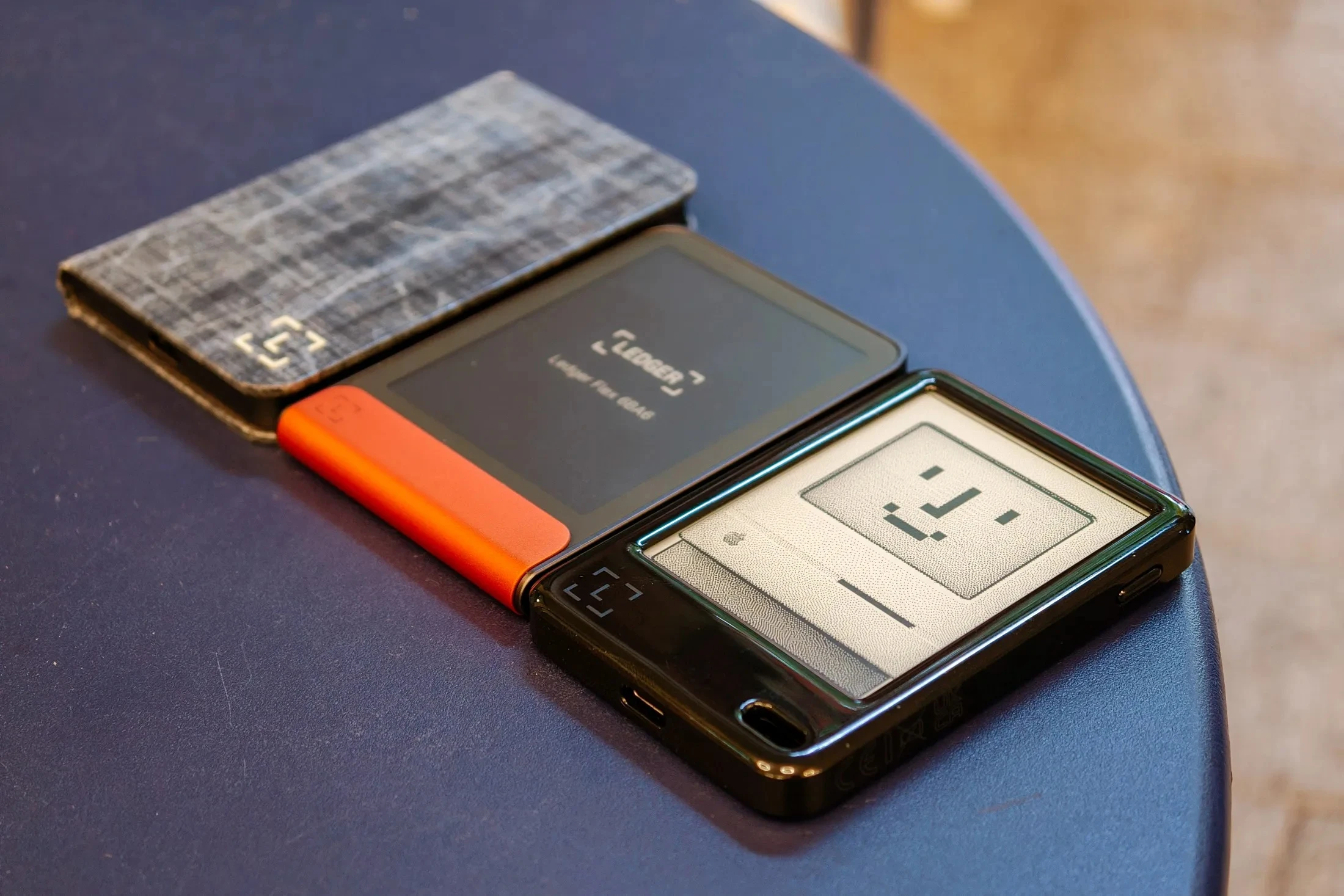
A hardware wallet addresses each of those points directly. The key is generated inside the device's secure area and never leaves it, so a compromised computer cannot take it. You confirm actions on the device instead of exporting the key, and a PIN protects the device while the recovery phrase serves as a recoverable backup. It keeps the "offline" benefit of a paper wallet while removing the moments where a paper wallet exposes the key. For the basics, see what a Ledger hardware wallet is.
Which to choose, and why
For most people — and especially anyone who is not deeply technical — a hardware wallet is the more practical choice. A paper wallet can work in careful, expert hands, but its weak points are easy to stumble into, whereas a hardware wallet keeps the offline advantage and handles generation, use, and storage more safely. If you are weighing cold storage options, that trade-off is the heart of what each gets right and wrong. The wider wallet comparison is in hardware wallet vs hot wallet.