
The core difference between a hardware wallet and a software wallet is where sensitive key material is controlled and how actions are confirmed. A software wallet is convenient inside an app environment, while a hardware wallet adds a separate device-screen step.
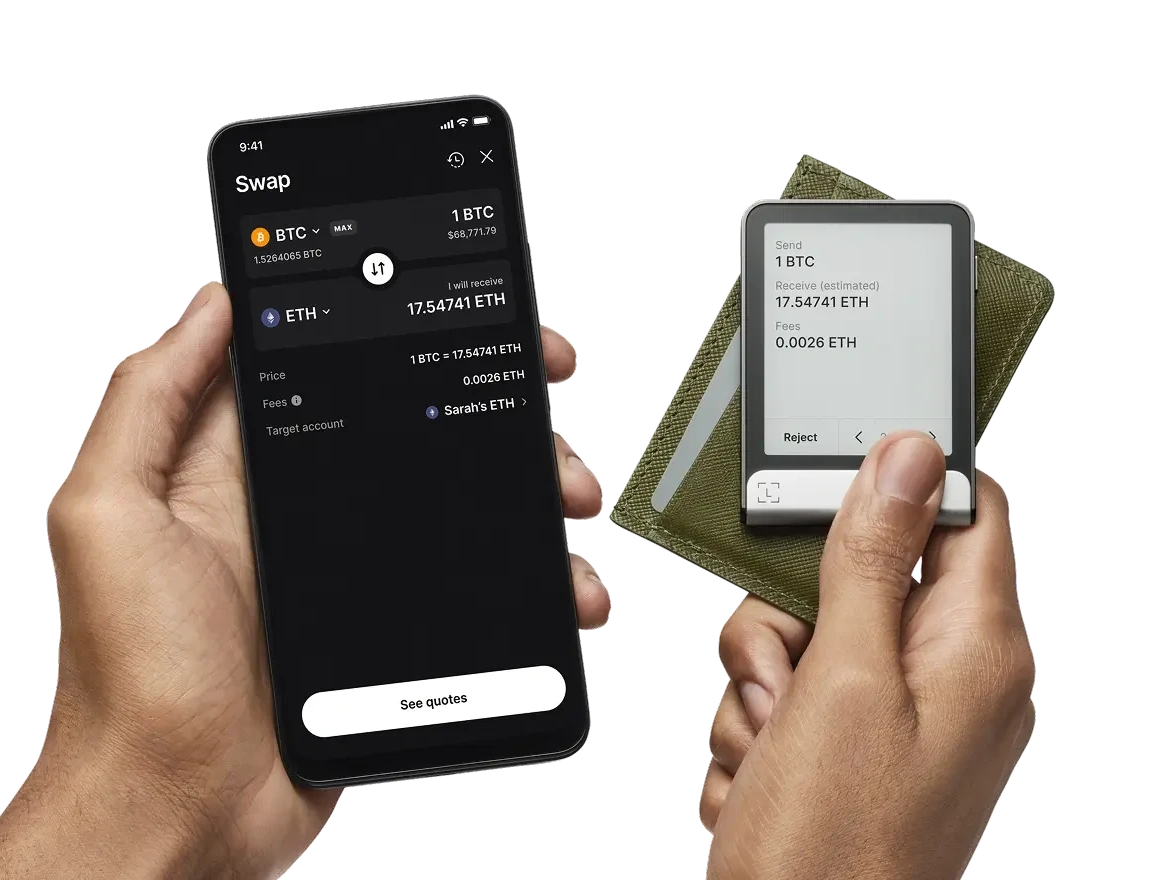
Key storage location changes the workflow
With a software wallet, the app environment carries more of the daily workflow. With a hardware wallet, key-related confirmation is tied to the device. This does not make every task complex, but it does add a separate review layer.
The hardware wallet and software wallet comparison gives a related baseline for readers who want a broader view.
Confirmation method is the main practical split
Ledger Wallet can show the task in the app, but the hardware screen remains the place where the user reads the final device-side wording. That screen review is the main habit to understand before setup and daily use.
- Use the app to understand the task.
- Use the device screen to review the action.
- Keep recovery phrase records separate from daily app notes.
Daily use depends on frequency and context
A software wallet may feel faster for frequent app-only workflows. A hardware wallet fits readers who want a separate device review step and a clearer backup routine. The recovery phrase explainer helps connect that comparison to setup records.
Choose the comparison frame before choosing a tool
The decision is easier when the reader compares storage location, screen review, backup habit, and daily workflow. That keeps the article neutral and avoids treating either wallet type as a universal answer.