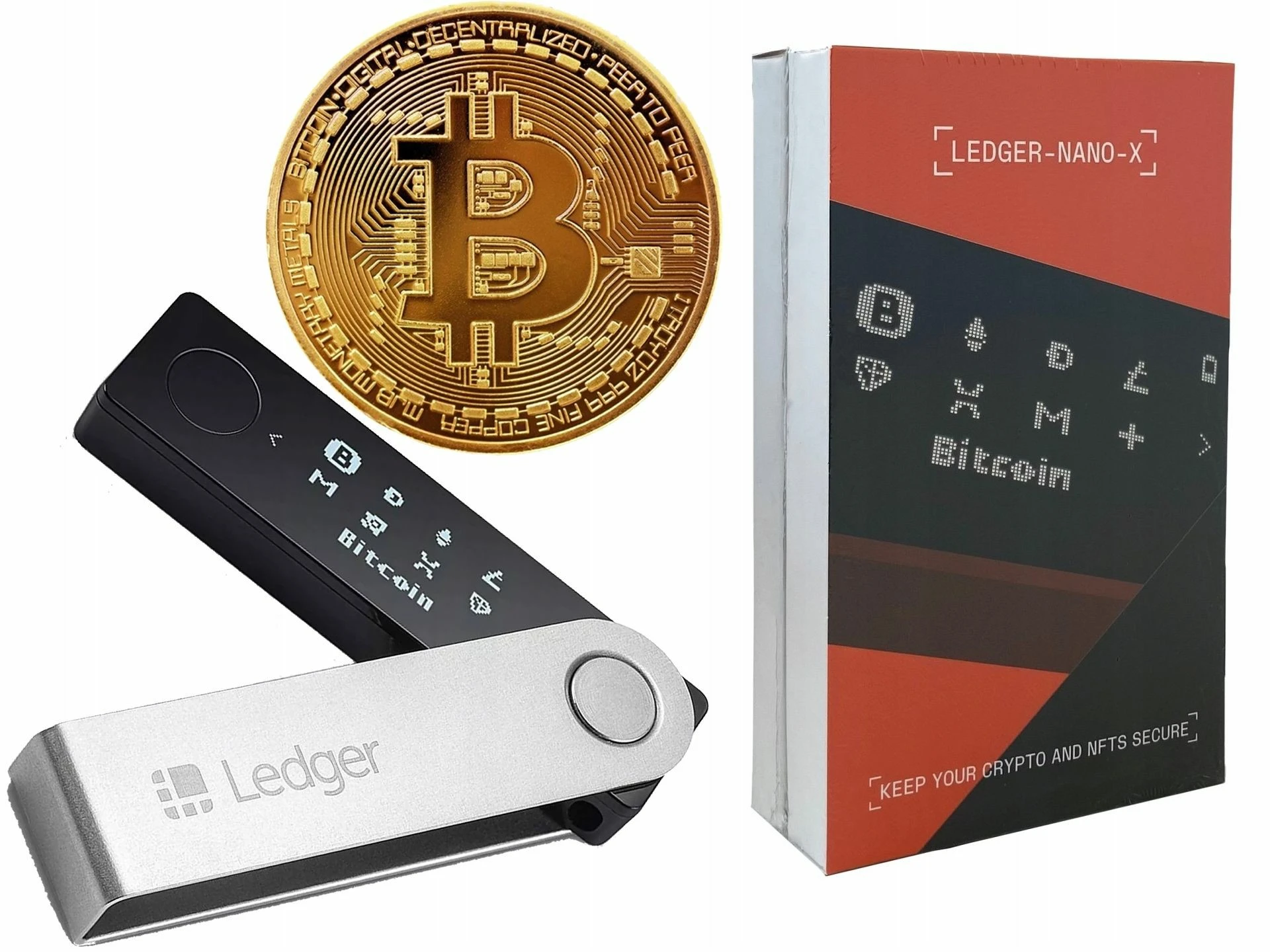
Distributed ledger is a technology term. It usually describes a record system maintained across multiple participants rather than a single central record. Ledger with a capital L is a brand name in this site's product context. The two are related by wording, but they are not the same thing.
Distributed ledger is the technology term
When an article says distributed ledger, it is usually talking about how records are maintained. It is not naming a specific hardware device or an app download. This distinction helps readers understand technical background without confusing it with a product page.
The term can appear in broader blockchain education, but the reader should still ask what the article is actually describing: a record structure, a brand, an app, or a device workflow.
Ledger is the brand context
On this site, Ledger usually points to the brand, hardware wallet devices, and the Ledger Wallet app context. If the reader wants the brand-level explanation, start with what Ledger is.
That route is different from a technical definition of distributed ledger. One explains the brand and product reading path; the other explains a general record concept.
A hardware wallet has a different role
A hardware wallet is about how a user keeps key material separated from everyday device screens and confirms actions on a dedicated device. For that layer, read hardware wallet working principles.
If the article starts discussing recovery phrases, device screens, or Ledger Wallet prompts, it has moved from the technology term into product and usage context. The recovery phrase concept is covered in what a recovery phrase is.
How to read the context quickly
Use a simple test: distributed ledger usually points to record architecture; Ledger Wallet points to the app; Ledger Nano, Stax, or Flex points to a device model; recovery phrase points to backup context. Reading those cues first prevents a technical term from being mistaken for a product name.